Corylus colurna
Turkish Filbert
Botanical name: Corylus colurna
Overview
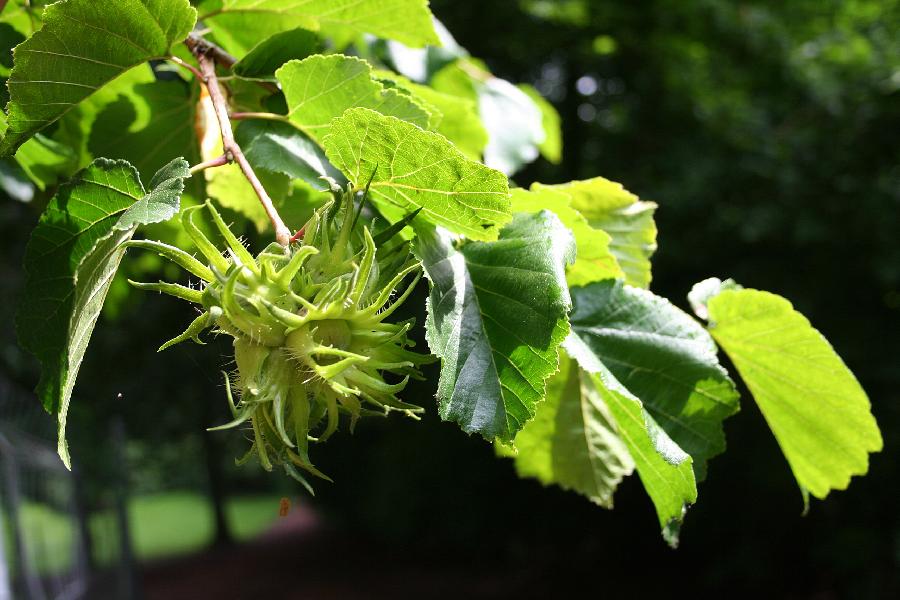
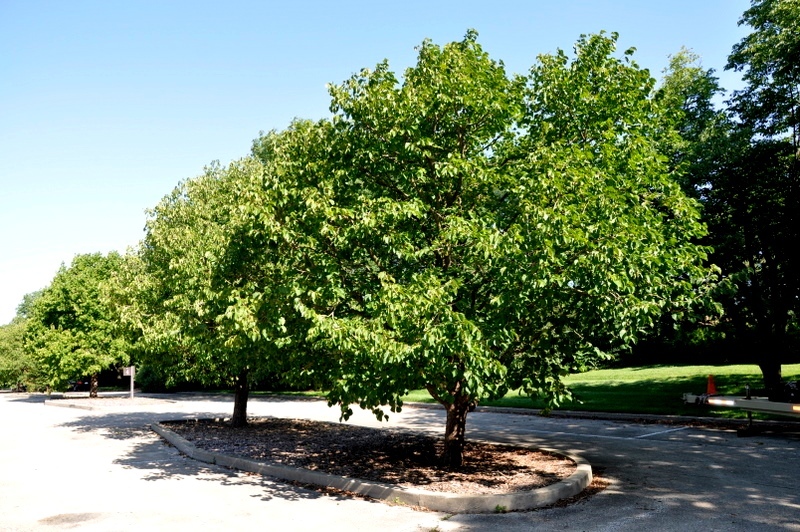
A stately deciduous tree known as Turkish hazelnut, valued for its strong pyramidal form, handsome bark, and edible nuts. Rounded green leaves create a dense canopy through summer, turning yellow in fall. In late summer to early autumn, clusters of edible hazelnuts form inside decorative fringed husks. Mature trees develop attractive gray-brown, corky bark that adds winter interest. Corylus colurna is admired for its durability and suitability as a shade or street tree.
Size
Width: 30–40 ft
Height: 40–60 ft
Hardiness
USDA Zones: 4a–7b
Light
Full sun to partial shade
Best growth and nut production in full sun
Soil
Well-drained soils; adaptable to clay, loam, or sandy soils
Tolerates slightly alkaline to neutral pH
Avoid waterlogged sites
Attracts
Pollinators (early catkins)
Wildlife (nuts)
Suitable Conditions
Performs best in cool to moderate climates
Highly tolerant of urban conditions and pollution
Allow space for large canopy development
Notes
Shape: Upright pyramidal when young, maturing to broad and rounded
Strong central leader makes it suitable as a street or specimen tree
Resistant to many pests and diseases affecting other hazels
Nuts edible but smaller than cultivated filberts
Minimal pruning required beyond structural training
- Plant type
- Deciduous Tree
- Height
- 60-80'
- Width
- 30'-40'
- Hardiness zones
- 4–7
- Sunlight
- Full sun to part shade
- Flower color
- Yellow
- Leaf color
- Green
- Soil
- Clay, Loamy, Moist well-drained
- Landscape use
- Accent Plant, Provide Shade, Specimen, Street Tree
- Shape
- Broad Upright, Rounded
- Deer resistant
- Yes
- Drought tolerant
- No
Plant photos (2)
Select a thumbnail to change photos. Select the large photo to open it at full size.