Cotoneaster apiculatus
Cranberry Cotoneaster
Botanical name: Cotoneaster apiculatus
Overview
Commonly known as cranberry cotoneaster, this low, spreading shrub is valued for its arching branches, glossy green foliage, and heavy crop of bright red berries in fall. Small pink flowers appear in late spring, followed by showy fruit that persists into winter. Leaves turn red to burgundy in autumn, providing strong seasonal interest.
Size
Width: 4–6 ft
Height: 2–3 ft
Hardiness
USDA Zones: 4a–7b
Light
Full sun to partial shade
Best flowering, fruiting, and fall color occur in full sun
Soil
Well-drained soils; adaptable to sandy, loamy, or rocky soils
Tolerates slightly alkaline to neutral pH
Avoid poorly drained sites
Attracts
Pollinators (flowers)
Birds (berries)
Suitable Conditions
Performs best in cool to moderate climates
Drought tolerant once established
Excellent for slopes, mass plantings, and erosion control
Notes
Shape: Low, spreading shrub with arching, layered branches
One of the most reliable berry-producing cotoneasters
Effective groundcover for banks and foundations
Minimal pruning required; trim lightly to maintain form
Deer generally resistant
- Plant type
- Deciduous Shrub
- Height
- 2-3'
- Width
- 4-6'
- Hardiness zones
- 4–7
- Sunlight
- Full Sun, Partial Shade
- Bloom time
- Spring
- Flower color
- Pink
- Leaf color
- Green
- Fall color
- Red
- Soil
- Acidic, Clay, Loamy, Sandy, Well Drained
- Landscape use
- Accent Plant, Mass Planting, Rock Garden
- Shape
- Spreading
- Fruit
- Yes
- Fragrant
- Yes
- Deer resistant
- Yes
- Drought tolerant
- No
Plant photos (1)
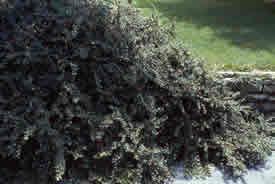
Select a thumbnail to change photos. Select the large photo to open it at full size.