Hippophae rhamnoides
Seabuckthorn
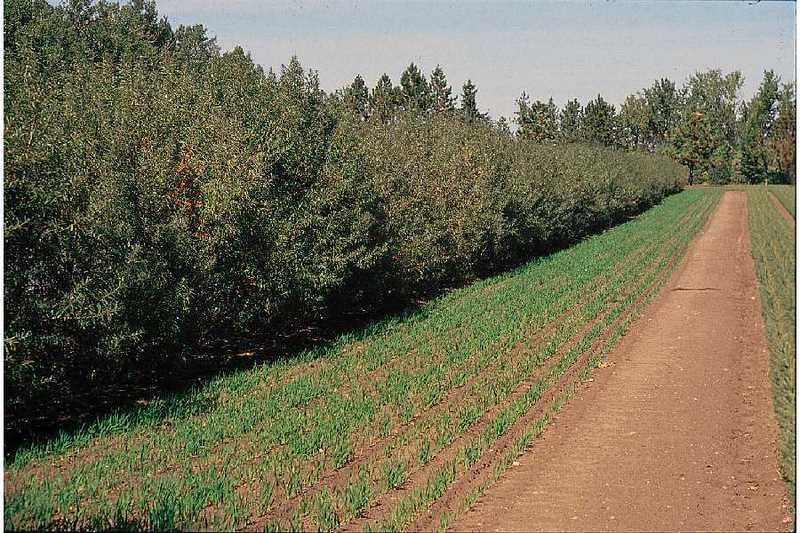
Hippophae rhamnoides — commonly known as sea buckthorn — is a deciduous, thorny shrub valued for its narrow silvery-gray foliage, rugged branching, and dense clusters of bright orange berries that persist into winter on female plants when a male pollinator is nearby. Its upright to spreading habit gives it a coarse, natural appearance, and the fruit provides strong late-season color while contrasting beautifully with the silver foliage. The plant is highly tolerant of wind, salt, drought, and poor soils, making it especially useful in difficult sites.
Type: Deciduous shrub
Mature Size:
Width: 8–12 ft
Height: 8–12 ft
USDA Zones: 3a–7b
Form: Upright to spreading, suckering shrub
Light: Full sun
Soil: Well-drained soil; tolerates sandy, poor, and alkaline soils
Water: Low once established; highly drought tolerant
Wildlife: Berries attract birds; dense branching provides shelter for wildlife
Features & Landscape Uses: Excellent for naturalized plantings, erosion control, coastal sites, screening, and difficult dry areas. Fruit is highly ornamental and also valued for edible and medicinal uses. Nitrogen-fixing roots improve poor soils.
Care: Plant male and female selections for fruit production. Prune in late winter to control size and remove older stems. Watch for suckering if used in smaller landscape spaces. 🌿🟠
- Plant type
- Deciduous Shrub
- Height
- 8-12'
- Width
- 8-12'
- Hardiness zones
- 3–7
- Sunlight
- Full Sun, Partial Shade
- Flower color
- Brown
- Attracts
- Birds
- Soil
- Alkaline, Sandy well-drained
- Landscape use
- Erosion control mass planting, Privacy Screen
- Shape
- Spreading, Upright
- Fruit
- Yes
- Fragrant
- Yes
- Deer resistant
- Yes
- Drought tolerant
- Yes
Plant photos (1)
Select a thumbnail to change photos. Select the large photo to open it at full size.