Malus domestica 'Cortland'
Cortland Apple
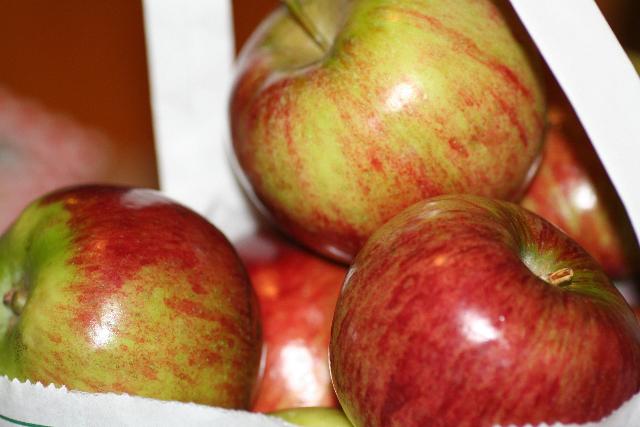
Malus domestica ‘Cortland’ is a semi-dwarf fruit tree prized for its crisp, juicy apples with bright white flesh that resists browning after slicing. It has a rounded to spreading habit, white to pink-tinged spring blossoms, and medium to large red fruit with green-yellow background color that ripens in mid to late season. Cortland is a classic cold-climate apple introduced from New York and is valued for fresh eating, salads, sauce, cider, and baking.
Type: Semi-dwarf fruit tree
Mature Size: 12–16' wide x 12–16' high
USDA Zones: 4a–6b
Form: Rounded, spreading
Light: Full sun
Soil / Water: Fertile, well-drained soil / moderate, consistent moisture
Bloom Time / Length: Mid spring / about 1–2 weeks
Wildlife: Flowers attract bees and other pollinating insects.
Features & Landscape Uses: Excellent for home orchards and edible landscapes. The fruit is sweet-tart and especially useful for fresh slices and salads because the flesh browns slowly after cutting. Cortland needs a different apple variety nearby for best pollination and fruit set, with another mid-season bloomer being ideal.
Care: Plant in full sun with good air circulation and prune annually in late winter to maintain shape and fruiting wood. Water regularly during establishment and dry periods, and thin heavy fruit crops to improve fruit size and reduce branch stress.
- Plant type
- Fruit Tree
- Height
- 12-15'
- Width
- 12-15'
- Hardiness zones
- 5–8
- Sunlight
- Full Sun, Partial Shade
- Growth rate
- Moderate
- Bloom time
- Late Spring, Spring
- Flower color
- White
- Leaf color
- Green
- Fall color
- Green
- Fruit color
- Ruby
- Attracts
- Bees, Birds, Butterflies
- Soil
- Moist well-drained
- Landscape use
- Fruit
- Shape
- Rounded, Spreading
- Bark
- Fissured
- Fruit
- Yes
- Fragrant
- Yes
- Drought tolerant
- No
Plant photos (2)

Select a thumbnail to change photos. Select the large photo to open it at full size.