Persimmon Saijo
Saijo Persimmon
Diospyros kaki ‘Saijo’ is a deciduous Asian persimmon cultivar valued for its very sweet, elongated orange fruit, attractive glossy green foliage, and orange-red fall color. The fruit is astringent until fully soft, so it should be allowed to ripen completely before eating. ‘Saijo’ is an old Japanese cultivar, often translated as “the very best one,” and is prized for fresh eating, drying, and fall ornamental value. It is commonly listed as self-pollinating or self-fruitful.
Type: Deciduous fruit tree
Mature Size: 12–20 ft. wide × 15–25 ft. tall
USDA Zones: 7a–9b; may need a protected site in colder areas
Form: Small upright to rounded fruit tree
Light: Full sun
Soil / Water: Well-drained soil; moderate water during establishment and fruit development
Bloom Time / Length: Late spring; small, inconspicuous flowers
Wildlife: Fruit attracts birds and wildlife; flowers support bees
Features & Landscape Uses:
Excellent for edible landscapes, small orchards, home fruit gardens, sunny specimen plantings, and wildlife gardens. ‘Saijo’ produces yellow-orange to orange fruit that is smaller and more elongated than many Asian persimmons, with excellent sweetness when fully ripe. It is often grown where a high-quality astringent persimmon is desired, and it can be used fresh once soft or dried for concentrated sweetness.
Care:
Plant in full sun in a warm, protected, well-drained location. Water regularly during establishment and during dry periods while fruit is sizing. Prune lightly in late winter to shape the tree and remove damaged, crossing, or crowded branches. Harvest fruit when fully colored; allow it to soften completely before eating to avoid astringency. Young trees in colder climates benefit from protection from winter wind and late spring frost.
- Plant type
- Fruit Tree
- Height
- 15-25'
- Width
- 12-20'
- Hardiness zones
- 7–9
- Sunlight
- Full Sun
- Growth rate
- Moderate
- Bloom time
- Late Spring
- Flower color
- White
- Leaf color
- Green
- Fall color
- Orange Red, Yellow
- Attracts
- Birds
- Soil
- Average, Moist well-drained
- Landscape use
- Fruit, Home Orchard
- Shape
- Rounded, Upright
- Fragrant
- Yes
- Drought tolerant
- No
Plant photos (2)
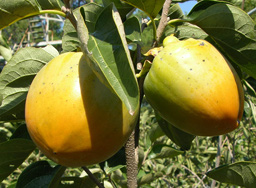
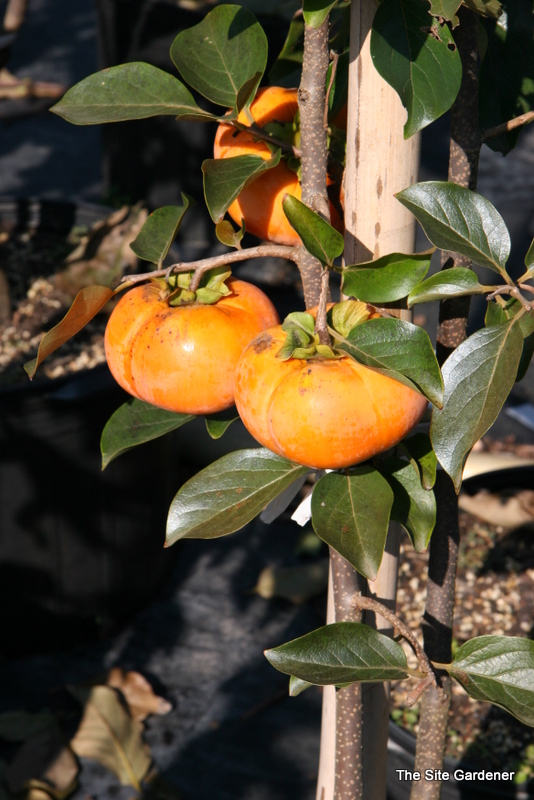
Select a thumbnail to change photos. Select the large photo to open it at full size.