Aesculus globosa octandra
Sweet Buckeye
(syn. Aesculus octandra — often historically referenced by this name)
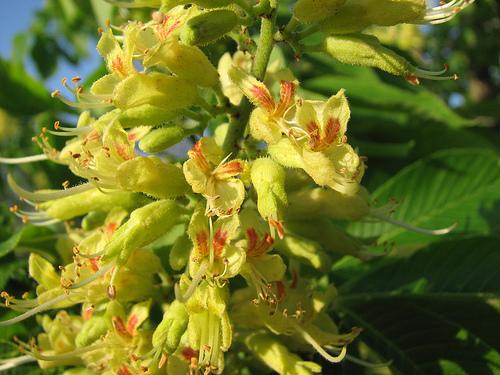
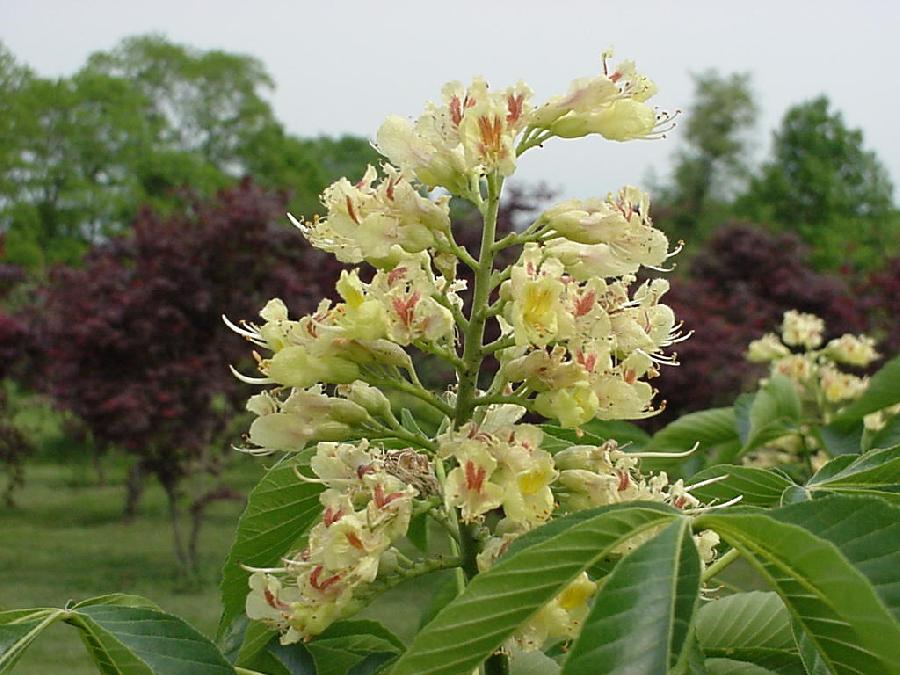
Yellow Buckeye (Aesculus flava, formerly Aesculus octandra) is a large, native shade tree valued for its upright flower panicles, bold palmate foliage, and reliable fall color. It is less commonly planted than Ohio buckeye but offers a cleaner, more refined appearance in suitable landscapes.
Key Characteristics and Benefits
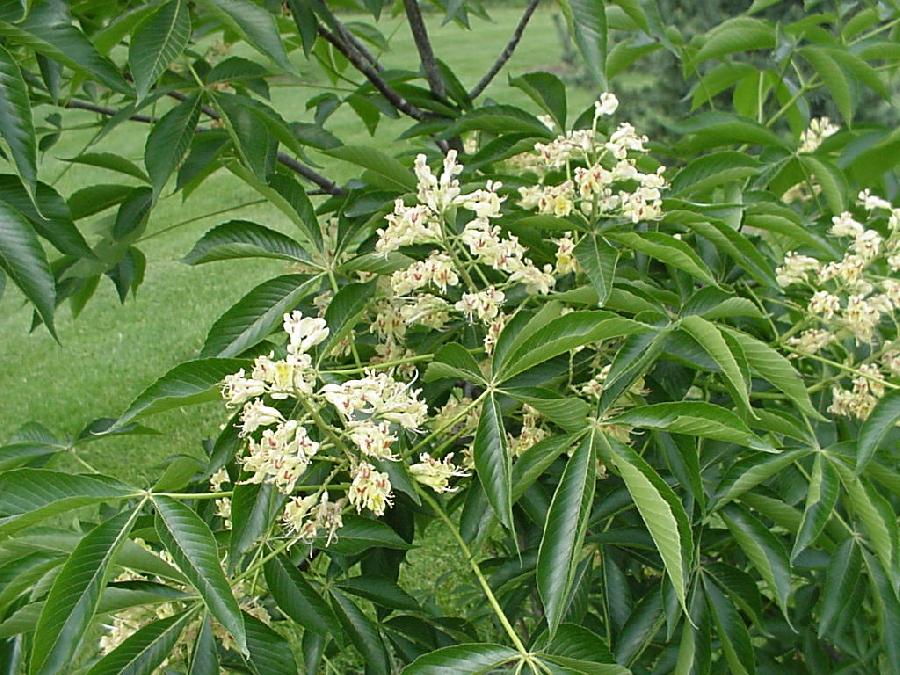
Flowers & Color: Showy, upright clusters of yellow to yellow-green flowers in late spring, attractive to pollinators.
Foliage: Large, palmate leaves with a bold texture; summer foliage is medium to dark green.
Fall Color: Develops golden yellow to orange tones in autumn.
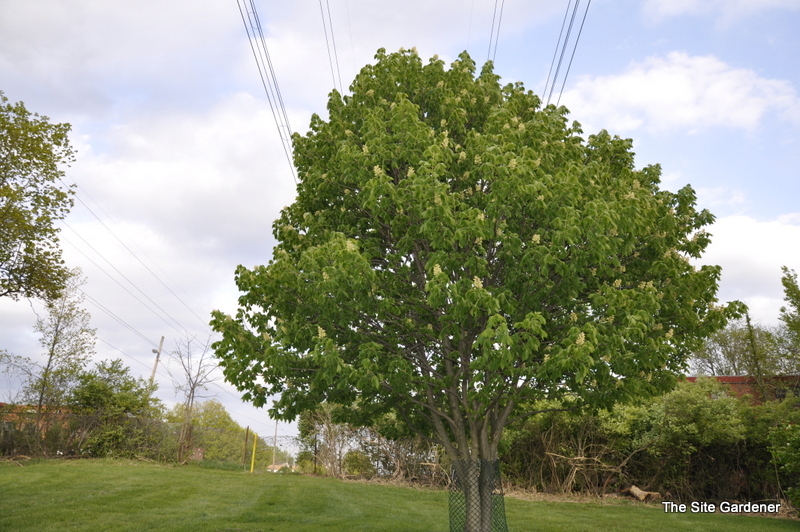
Growth Habit: Upright to oval-rounded canopy with strong structure.
Native Value: Eastern North American native with ecological benefits.
Size: Typically reaches 50–75 ft tall with a 40–50 ft spread.
Care and Requirements
Hardiness: USDA Zones 4–8
Light: Full sun to partial shade
Soil: Prefers deep, moist, well-drained soil; tolerates heavier soils better than many buckeyes
Water: Moderate; appreciates consistent moisture
Maintenance: Low; minimal pruning once established
Limitations: Sensitive to drought and compacted soils; nuts are toxic if ingested
Summary:
Yellow Buckeye is an excellent choice for parks, large lawns, campuses, and naturalized landscapes, offering spring flowers, bold foliage, and dependable fall color in a stately native shade tree.
- Plant type
- Flowering Ornamental Tree
- Height
- 70'
- Width
- 40'
- Hardiness zones
- 4–8
- Sunlight
- Full Sun
- Growth rate
- Moderate
- Bloom time
- Early Summer, Late Spring
- Flower color
- Gold
- Leaf color
- Green
- Fall color
- Orange
- Attracts
- Butterflies
- Soil
- Loamy, Well Drained
- Landscape use
- Accent Plant, Specimen
- Shape
- Globe Shaped
- Fragrant
- Yes
- Deer resistant
- Yes
- Drought tolerant
- No
Plant photos (4)
Select a thumbnail to change photos. Select the large photo to open it at full size.