Aesculus pavia
Red Buckeye
Aesculus pavia, commonly known as Red Buckeye, is a small native tree or large shrub prized for its showy red spring flowers, wildlife value, and adaptability to understory conditions. It is especially noted for attracting hummingbirds early in the season.
Key Characteristics and Benefits
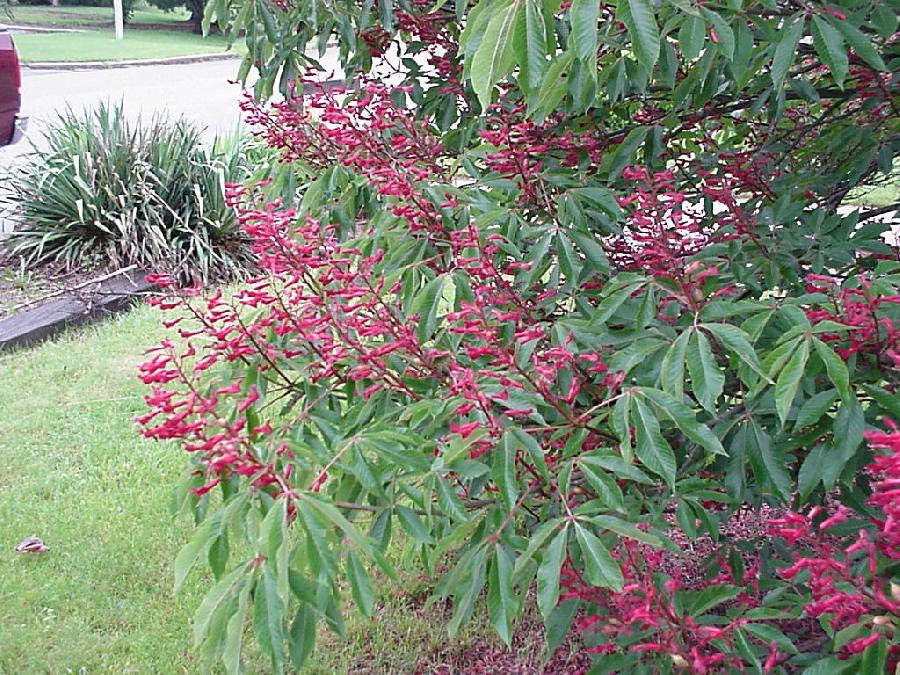
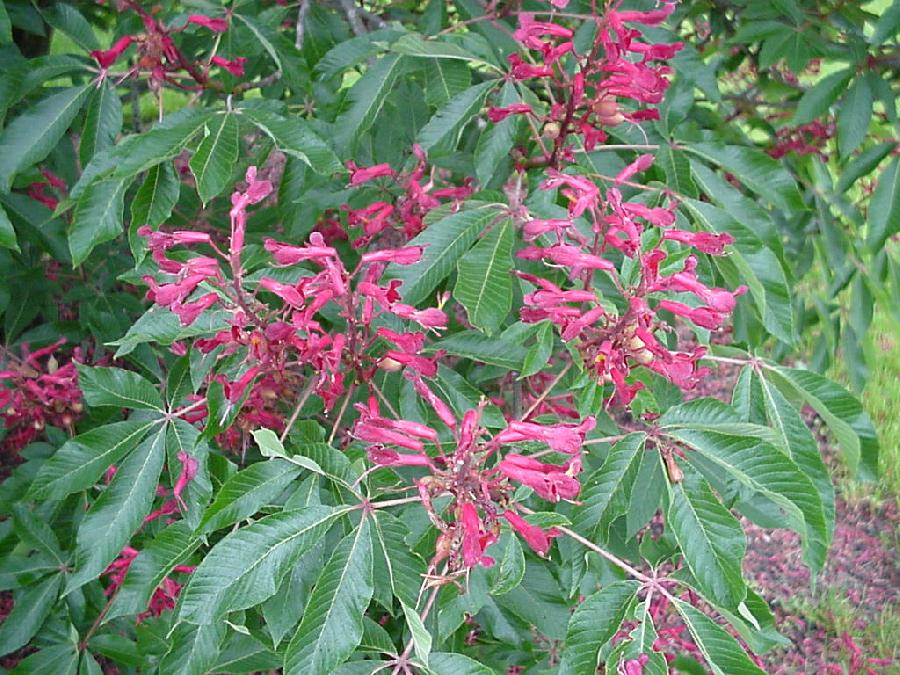
Flowers & Color: Upright clusters of bright red to scarlet tubular flowers in early to mid-spring, highly attractive to hummingbirds and pollinators.
Foliage: Palmate, medium-green leaves with a bold, coarse texture.
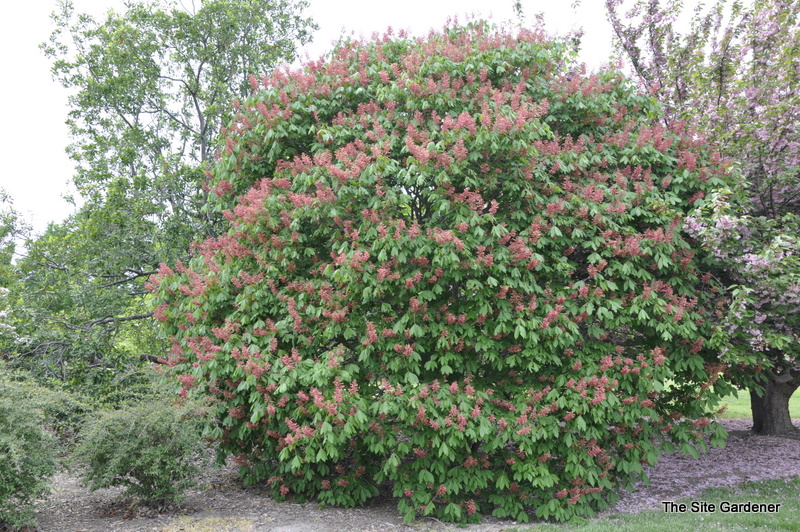
Growth Habit: Upright to rounded, often multi-stemmed; can be grown as a small tree or large shrub.
Native Value: Southeastern U.S. native with strong ecological benefits.
Size: Typically reaches 10–20 ft tall with a 10–15 ft spread.
Care and Requirements
Hardiness: USDA Zones 4–8
Light: Full sun to partial shade
Soil: Prefers moist, well-drained soil; adapts to average garden soils
Water: Moderate; appreciates consistent moisture
Maintenance: Low; minimal pruning required
Tolerance: Moderately drought tolerant once established
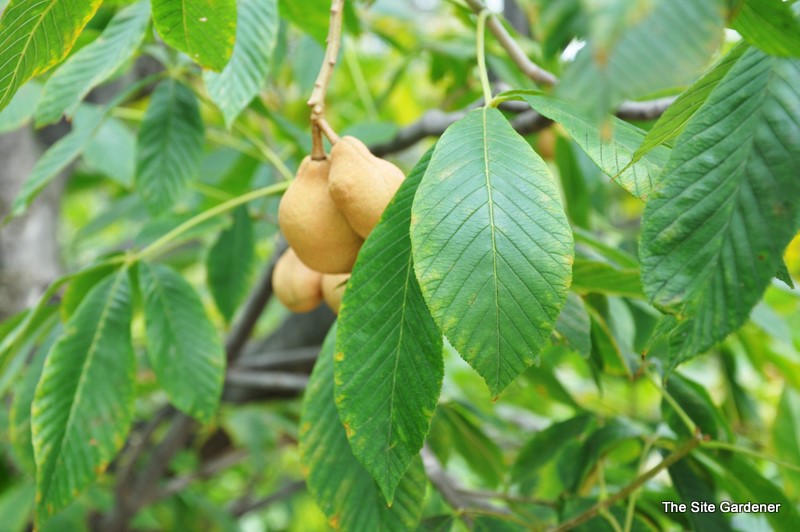
Note: Seeds and foliage are toxic if ingested
Summary:
Red Buckeye is an excellent choice for native gardens, woodland edges, pollinator plantings, and small landscape spaces, offering early-season color, wildlife value, and manageable size.
- Plant type
- Flowering Ornamental Tree
- Height
- 10-20'
- Width
- 10-15'
- Hardiness zones
- 4–8
- Sunlight
- Full Sun, Partial Shade
- Growth rate
- Moderate
- Bloom time
- Spring
- Flower color
- Hot Pink, Red
- Leaf color
- Dark Green
- Fall color
- Dark Green
- Attracts
- Hummingbirds
- Soil
- Clay
- Landscape use
- Accent Plant, Mass Planting, Specimen
- Shape
- Globe Shaped, Rounded
- Bark
- Smooth
- Fruit
- Yes
- Fragrant
- Yes
- Deer resistant
- Yes
- Drought tolerant
- No
- 10-year height
- 10'
- 10-year width
- 10'
Plant photos (5)
.JPG)
Select a thumbnail to change photos. Select the large photo to open it at full size.