Asclepias tuberosa
Butterfly Milkweed, Butterfly Weed
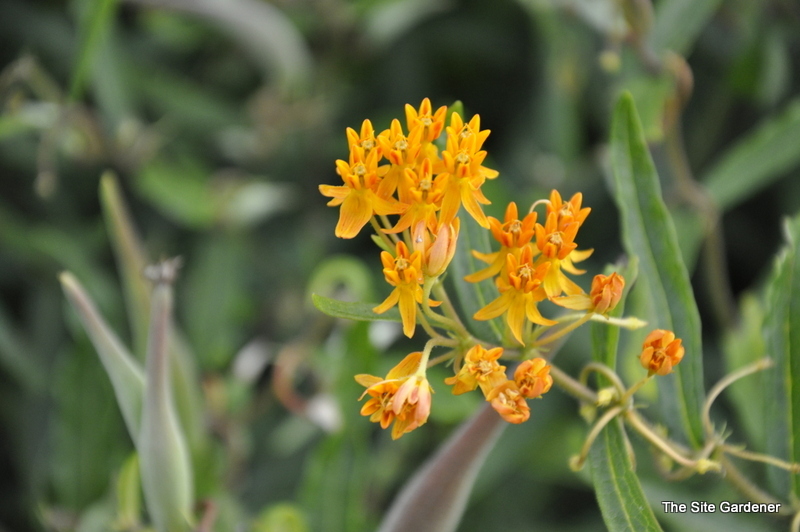
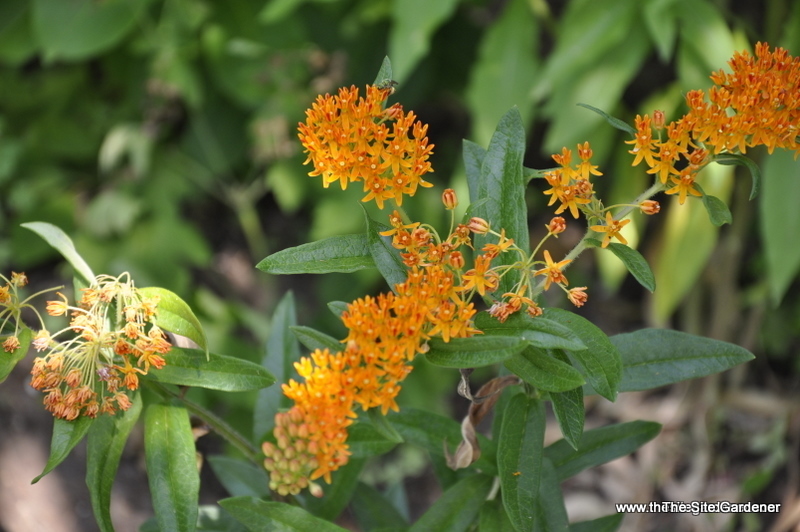
A standout native perennial celebrated for its brilliant orange flower clusters, tidy habit, and exceptional value to monarch butterflies and pollinators. Unlike many milkweeds, Asclepias tuberosa prefers dry, well-drained soils and has a deep taproot that makes it extremely drought tolerant once established.
Key features
Width: 18–24 in (1.5–2 ft)
Height: 24–36 in (2–3 ft)
Flower color: Bright orange (occasionally yellow or red-orange forms)
Bloom time: Late spring to mid summer
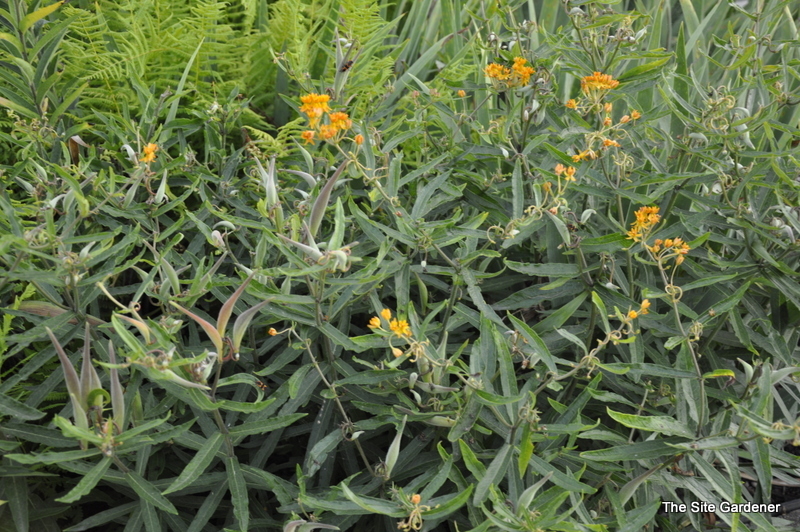
Foliage: Narrow, lance-shaped green leaves
Form: Upright, clump-forming
Life cycle: Herbaceous perennial
Growing conditions
Sun: Full sun
Soil: Dry to medium, well-drained; prefers sandy or gravelly soils
Water: Low; very drought tolerant once established
Hardiness: USDA Zones 3–9
Landscape use
Pollinator and butterfly gardens
Native plantings and meadows
Perennial borders
Prairie and xeric gardens
Roadside and restoration plantings
Notes
Important larval host plant for monarch butterflies
Highly attractive to bees and other pollinators
Generally deer resistant
Does not transplant easily due to deep taproot
Seed pods provide late-season interest
- Plant type
- Perennial
- Height
- 24-36"
- Width
- 12-24"
- Hardiness zones
- 3–9
- Sunlight
- Full Sun
- Growth rate
- Moderate
- Bloom time
- Early Fall, Early Summer, Late Summer, Summer
- Flower color
- Orange
- Leaf color
- Green
- Fall color
- Green
- Attracts
- Butterflies, Hummingbirds
- Soil
- Clay, Loamy, Well Drained
- Landscape use
- Accent Plant, Container, Mass Planting
- Shape
- Broad Upright, Clump
- Fruit
- Yes
- Fragrant
- Yes
- Deer resistant
- Yes
- Drought tolerant
- No
Plant photos (3)
Select a thumbnail to change photos. Select the large photo to open it at full size.