Berberis x gladwynensis William Penn
Gladwyn Barberry, William Penn Barberry
Berberis × gladwynensis ‘William Penn’ — commonly known as William Penn Barberry — is a semi-evergreen to evergreen barberry valued for its glossy, dark green foliage, dense branching, and excellent performance as a formal or informal hedge. Unlike Japanese barberry, this hybrid offers a cleaner look with fewer invasive concerns and a more refined, boxwood-like appearance.
Clusters of small yellow flowers appear in spring, followed by blue-black berries that add seasonal interest.
Key features
Width / spread: 4–6 ft
Height: 5–7 ft
Foliage: Glossy dark green; semi-evergreen to evergreen
Flower color: Yellow (spring)
Fruit: Blue-black berries (fall)
Form: Dense, upright to rounded shrub
Life cycle: Semi-evergreen shrub
Growing conditions
Sun: Full sun to part shade
Soil: Well-drained; adaptable to a range of soils
Water: Moderate; drought tolerant once established
Hardiness:
Zone Low: 6a
Zone High: 9a
Landscape use
Formal and informal hedges
Screens and boundary plantings
Foundation plantings
Mixed shrub borders
Security plantings (thorny stems)
Notes
Excellent substitute for boxwood in warmer climates
Denser and glossier than most deciduous barberries
Spiny stems provide deer resistance and security value
Responds very well to pruning and shearing
Less invasive concern than Berberis thunbergii
- Plant type
- Deciduous Shrub
- Height
- 5-7'
- Width
- 4-6'
- Hardiness zones
- 6–9
- Sunlight
- Full Sun
- Growth rate
- Moderate
- Bloom time
- Spring
- Flower color
- Yellow
- Leaf color
- Dark Green
- Fall color
- Bronze
- Attracts
- Butterflies
- Soil
- Clay, Loamy, Normal
- Landscape use
- Foundation
- Shape
- Broad Upright
- Bark
- Smooth
- Fruit
- Yes
- Fragrant
- Yes
- Deer resistant
- Yes
- Drought tolerant
- Yes
Plant photos (2)
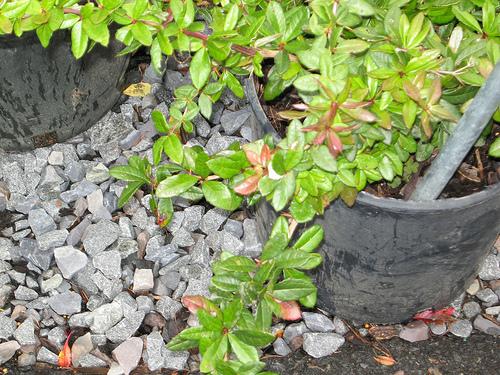
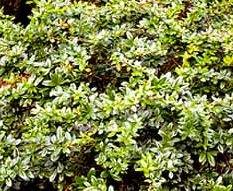
Select a thumbnail to change photos. Select the large photo to open it at full size.