Carya ovata
Shagbark Hickory
A long-lived native deciduous tree recognized by its distinctive peeling, shaggy gray bark that becomes more pronounced with age. Compound green leaves provide a bold, coarse texture and turn golden yellow in fall. In autumn, the tree produces sweet, flavorful hickory nuts enclosed in thick husks. Highly valued for wildlife habitat and durable shade.
Plant Characteristics
Type: Deciduous nut tree
Form: Upright, oval to rounded canopy
Mature Width: 30–50 ft
Mature Height: 60–80 ft
Flower Color: Inconspicuous yellow-green catkins
Foliage Color: Medium green; golden yellow fall color
Nut: Edible hickory nut with excellent flavor
Growing Conditions
USDA Hardiness Zones: 4a–8b
Light: Full sun
Soil: Deep, fertile, well-drained soils; prefers loams
Water: Moderate; drought tolerant once established
Maintenance: Low; difficult to transplant once established due to deep taproot
Landscape Uses
Large landscapes, parks, naturalized areas, wildlife plantings, and native woodlands. Excellent shade tree and important species for birds and mammals.
Care Tips
Plant young trees to avoid transplant shock
Allow ample space for mature size
Avoid soil compaction and root disturbance
- Plant type
- Deciduous Tree, Nut Tree
- Height
- 70'
- Width
- 30'
- Hardiness zones
- 5–9
- Sunlight
- Full Sun
- Growth rate
- Slow
- Bloom time
- Spring
- Leaf color
- Green
- Fall color
- Yellow
- Soil
- Moist well-drained
- Landscape use
- Accent Plant, Nuts, Street Tree
- Shape
- Oval/Rounded, Upright
- Bark
- Exfoliating
- Fruit
- Yes
- Drought tolerant
- No
Plant photos (2)
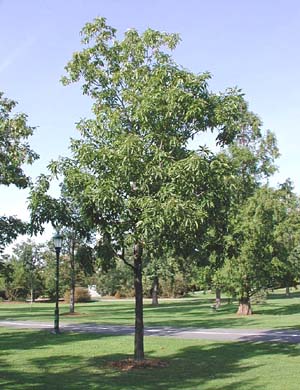

Select a thumbnail to change photos. Select the large photo to open it at full size.