Celtis occidentalis
Hackberry
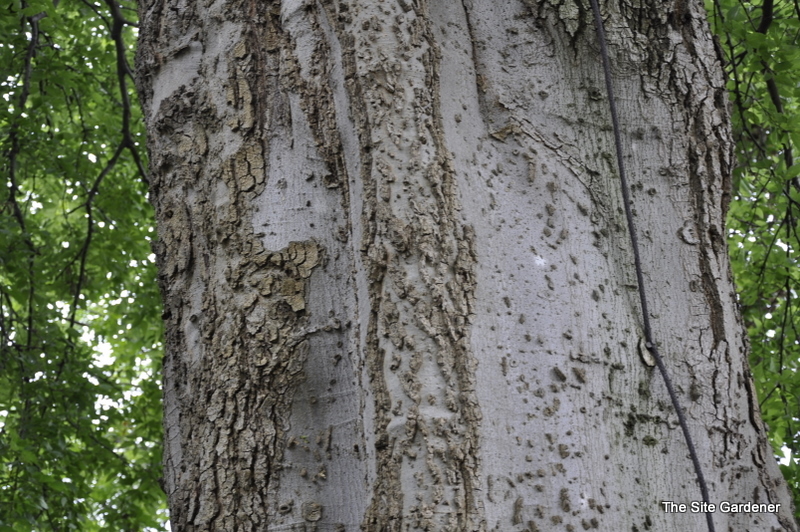
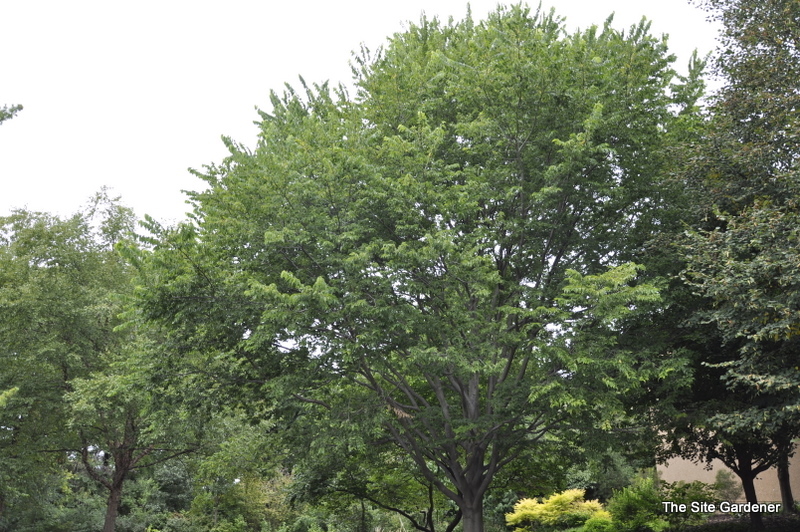
A large, hardy deciduous shade tree known for its rugged adaptability, distinctive corky, warty bark, and strong wildlife value. Leaves are medium green and serrated, turning yellow in fall. Small dark purple-black drupes persist into winter, providing food for birds and other wildlife. Common hackberry thrives in challenging conditions where many trees struggle.
Size: 40–60 ft wide × 50–70 ft tall
Zones: 3a–9b
Light: Full sun to partial shade
Soil: Highly adaptable; tolerates clay, loam, sand, compacted and alkaline soils
Water: Moderate; drought tolerant once established
Suitable Conditions:
Climate: Performs well across a wide climatic range, including cold winters and hot summers
Exposure: Tolerates wind, heat, and urban stress
Soil pH: Adaptable; tolerates alkaline soils
Drainage: Prefers well-drained soils but tolerates occasional wetness
Spacing: Allow ample room for mature canopy spread
Notes:
Shape: Upright to rounded with a broad, arching crown
Excellent urban tolerance (pollution, salt, compaction)
Strong wildlife value—fruit favored by birds
Low-maintenance and durable once established
Leaf galls may appear but are cosmetic only
- Plant type
- Deciduous Tree, Shade Tree, Street Tree
- Height
- 50-70'
- Width
- 40-60'
- Hardiness zones
- 3–9
- Sunlight
- Full Sun, Partial Shade
- Growth rate
- Moderate
- Bloom time
- Spring
- Leaf color
- Green
- Fall color
- Yellow
- Landscape use
- Provide Shade, Street Tree
- Shape
- Broad Upright
- Bark
- Corky
- Fruit
- Yes
- Drought tolerant
- No
Plant photos (4)


Select a thumbnail to change photos. Select the large photo to open it at full size.