Cercis canadensis
Eastern Redbud
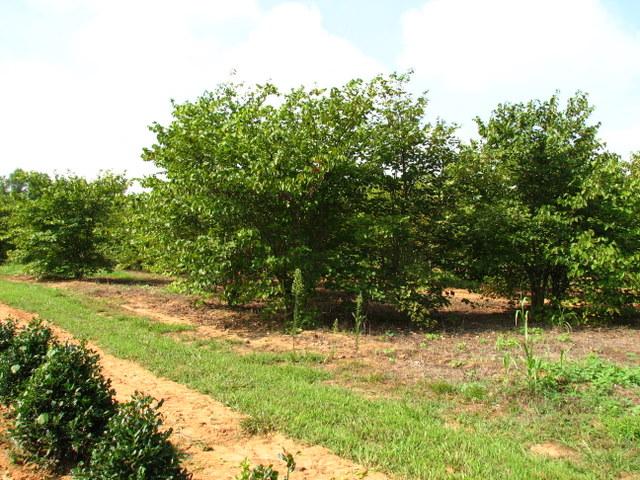
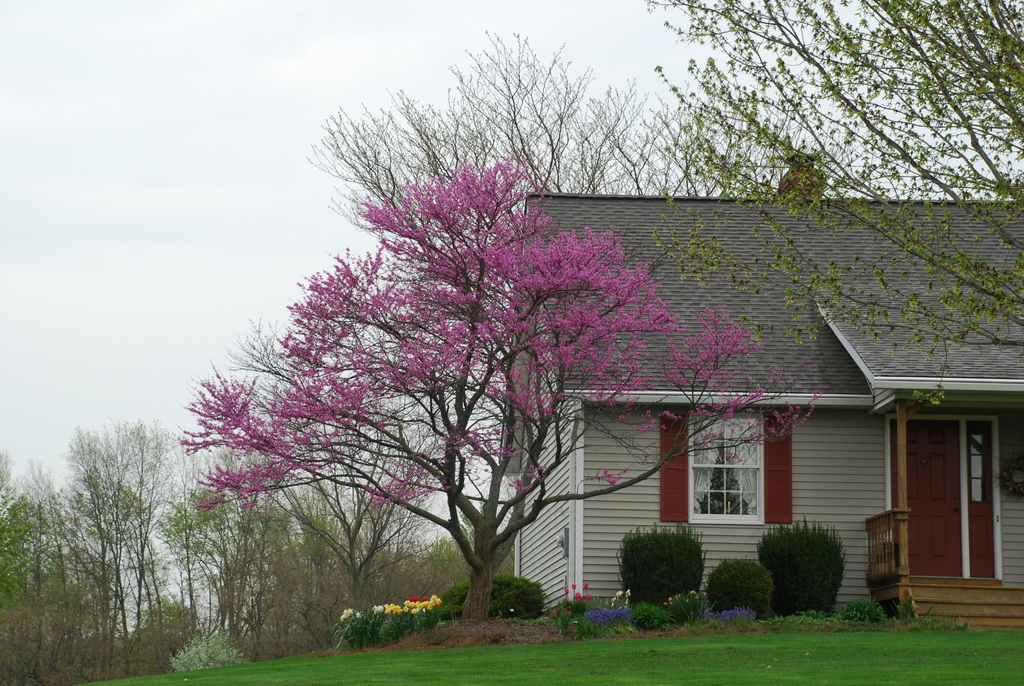
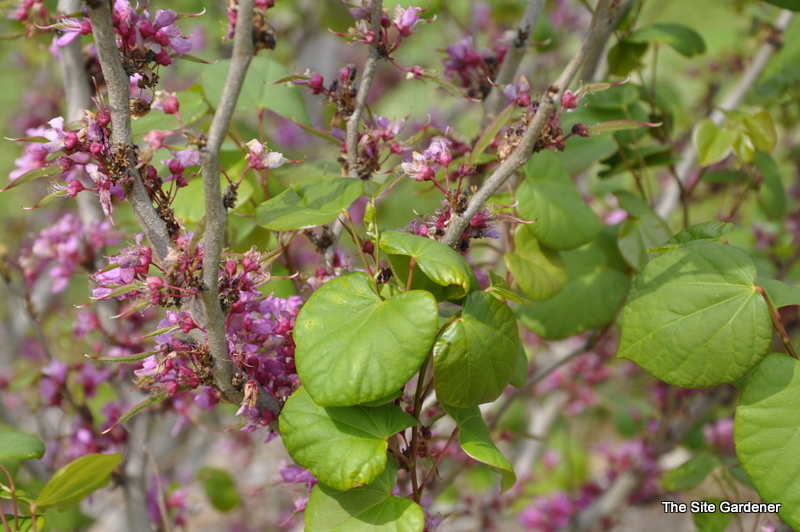
A small, deciduous ornamental tree celebrated for its early spring display of rosy pink to lavender flowers that appear along bare branches before leaf-out. Glossy, heart-shaped green leaves follow, providing a soft canopy through summer and turning yellow in fall. Eastern redbud is a classic native tree valued for its seasonal beauty, adaptability, and wildlife benefits.
Size: 20–30 ft wide × 20–30 ft tall
Zones: 4a–9b
Light: Full sun to partial shade
Soil: Well-drained soils; adaptable to loam and clay
Water: Moderate; drought tolerant once established
Suitable Conditions:
Climate: Performs well across a wide range of temperate climates
Exposure: Morning sun with afternoon shade preferred in hotter regions
Soil pH: Slightly acidic to neutral
Drainage: Important; avoid poorly drained or waterlogged soils
Spacing: Allow room for natural branching and canopy spread
Notes:
Shape: Upright to spreading with a rounded or vase-shaped crown; often multi-stemmed
Excellent native tree for pollinators and wildlife
Strong early-season floral interest
Ideal for lawns, woodland edges, and naturalized landscapes
Minimal pruning needed beyond structural training
- Plant type
- Flowering Ornamental Tree
- Height
- 20-30'
- Width
- 20-30'
- Hardiness zones
- 4–9
- Sunlight
- Full Sun, Full sun to part shade
- Growth rate
- Moderate
- Bloom time
- Early Spring, Spring
- Flower color
- Red
- Fall color
- Yellow
- Attracts
- Bees butterflies birds
- Soil
- Clay, Loamy, Moist well-drained
- Landscape use
- Accent Plant, Specimen
- Shape
- Rounded, Spreading, Upright
- Bark
- Fissured
- Fruit
- Yes
- Fragrant
- Yes
- Drought tolerant
- No
Plant photos (4)

Select a thumbnail to change photos. Select the large photo to open it at full size.